Clay pigeon shooting tips are a brilliant way to build confidence, timing and gun handling before you head out on your first bird hunt. Practising on the range sharpens your eye, teaches you lead and follow-through, and makes the jump to live quarry much less intimidating.
Getting started: why clay practice matters
Clay shooting is the closest, safest and most controlled way to replicate the speed and angles of flying birds. If you want to make your first hunt enjoyable rather than stressful, such as during your first partridge shooting in Spain, these clay pigeon shooting tips will help you learn gun mount, stance and target prediction. The more time you spend on clays, the more instinctive your reactions become when you are out in the field.
Feel free to check out the Despenadero reviews to learn about past experiences.
Tips clay pigeon shooting
This section covers core tips for clay pigeon shooting that every beginner should know. Use these on the range, then adopt them on the hill.
– Start simple: begin with slow, single-target presentations.
– Focus on mount and sighting, not pure speed.
– Keep both eyes open to judge distance and angle.
– Learn to lead targets: aim ahead of the clay, not at it.
– Practice different target angles: incoming, outgoing, crossing.
Key coaching points
– Mount the gun to the same spot on your face every time, that creates repeatable shots.
– Keep your head up and eyes on the target, do not drop your head to look down the barrel.
– Use minimal fuss with the trigger; good clay shooting is about rhythm, not jerking.
A short practice plan for newcomers
- 15 minutes on single, slow clays.
- 15 minutes on pairs (academics first: report pairs at different intervals).
- 10 minutes of occasional fast or rabbit targets to test reactions.
Gear and setup: what to bring and why
Good kit makes learning smoother. You do not need top-tier kit to improve, but you do need safe, comfortable, and reliable equipment.
| Item | Why it matters | Beginner suggestion |
|---|---|---|
| Shotgun | Fit is crucial for consistent mounts | 12-bore, adjustable stock if possible |
| Ammunition | Use light target loads to reduce recoil | 24-28g target loads |
| Eye protection | Safety and clarity in bright light | Sunglasses with clear lens options |
| Ear protection | Comfort and hearing safety | Electronic ear muffs or plugs |
| Clay targets | Different presentations for training | Standard orange clays, rabbit clays |
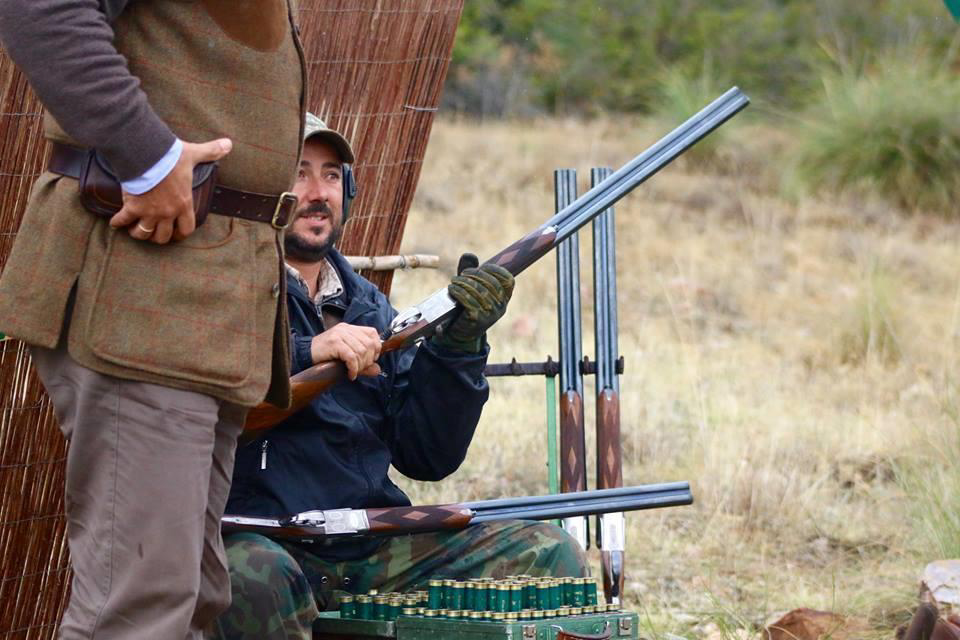
Practical shooting clay pigeons tips include swapping chokes and shot sizes to feel how patterning changes. Mark where patterns hit on paper targets to understand your gun’s behaviour, then adjust as needed.
Technique drills to build hunting skills
Translate range skills into the field with targeted drills. These are the same drills that bird hunters use to practice wing identification, lead and follow-through.
| Drill Name | Description/Purpose |
|---|---|
| Swing-through drill | Start behind the clay, swing through it and fire as it passes your centre line. This teaches smooth movement and follow-through. |
| Pull-away drill | Hold the gun on the clay, then pull away slightly before calling for the target. Good for simulating birds that change speed. |
| Instant follow-up | After a first shot, get a second on a quick pair; this practises recoil recovery and quick re-aim. |
Practice duration: short, frequent sessions win over rare, long ones. One hour twice a week will progress you faster than a single long weekend.
From clays to the hill: preparing for your first hunt
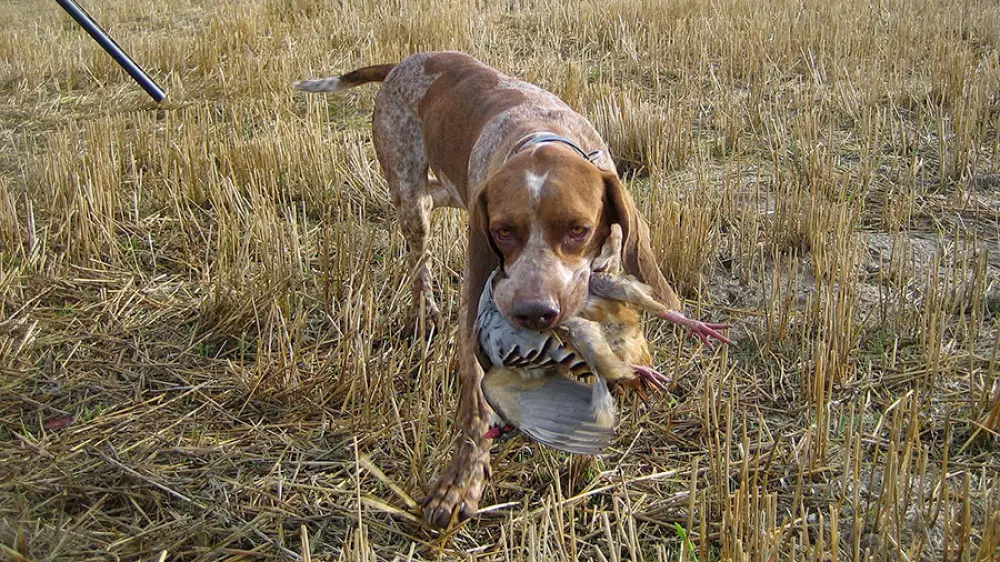
Use clay pigeon shooting tips as a stepping stone to live quarry. Clays teach the mechanics, but real hunting adds variables: cover, wind, and unpredictable bird behaviour. Treat your first hunt as an extension of clay drills.
Field checklist before your first hunt:
– Walk the terrain to understand likely flight paths.
– Communicate with your beaters or companions about safety and positions.
– Aim to arrive early and do a short clay warm-up if possible.
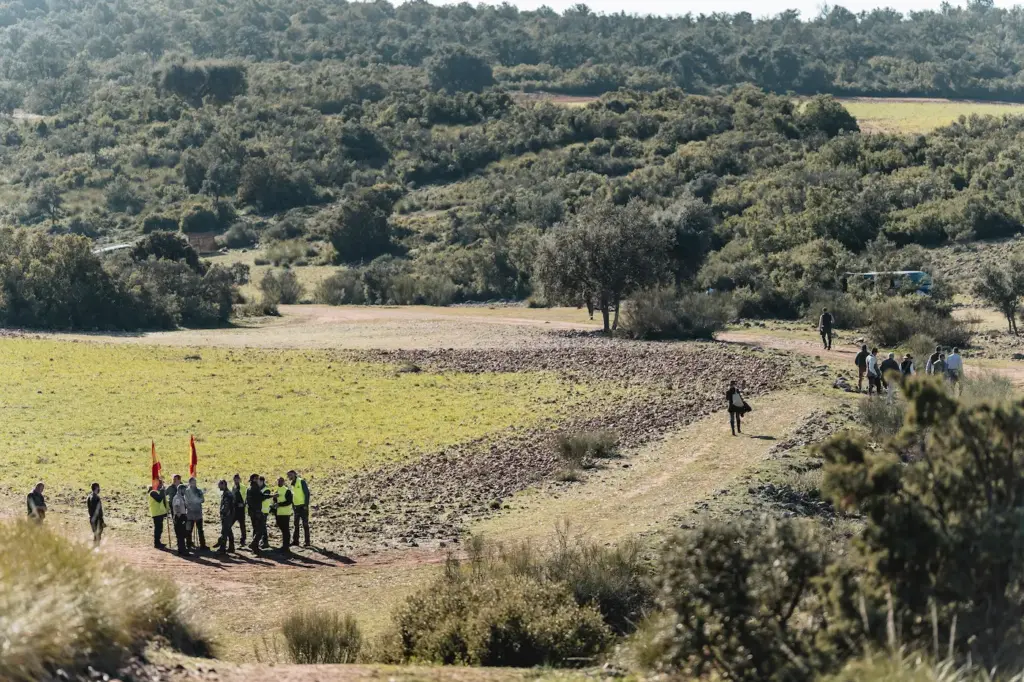
If you want a friendly, experienced next step in Spain, consider El Despeñadero. They offer cacerías ibéricas with guided upland and driven days, and many clients find that clay work greatly improves their success and enjoyment on these Spanish hunts. See www.caceriasibericas.com for options and dates.
Common mistakes and how to avoid them
Beginners often make the same easy-to-fix errors. Recognising them will save you frustration.
– Mounting in a different spot each time: mark a reference on the stock or get fitted.
– Chasing the target with the barrel: move your body, not just the gun.
– Closing one eye: keep both eyes open for depth and speed perception.
– Over-anticipating: let the target lead guide you, do not jerk the trigger.
Short reminder: good clay pigeon shooting tips are simple habits repeated until they become automatic.
Quick checklist for a first hunt after clay training
– Fit-tested shotgun and spare chokes.
– Comfortable boots and weather layers.
– Valid licences and paperwork.
– First aid kit and water.
– Familiarity with local shooting etiquette and laws.
Frequently Asked Questions
What is the best way to start practising if I have never shot before?
Begin with supervised clay lessons, using slow singles and an instructor for safety and basic technique. Short, regular sessions beat occasional long ones.
How many clay sessions should I do before attempting a hunt?
Aim for at least 8 to 12 practice sessions, focusing on consistent mounts and different target angles. Quality matters more than quantity.
Can clay pigeon shooting tips really help with live bird shooting?
Yes, clays replicate speed and angles of birds. Drills improve lead, swing and shot recovery, all directly transferable to the field.
Should I change my gun or chokes for hunting after clay practice?
You may need different chokes or shot sizes for live quarry, but first ensure your gun fits and you are comfortable with its balance and recoil.
Is El Despeñadero suitable for first-time hunters?
Yes, El Despeñadero is well-suited for first-time hunters. They offer guided upland and driven days, providing a friendly and experienced environment for beginners to transition from clay practice to their first hunt. Contact with Cacerías Ibéricas and start developing your skills.